The Corruption is a gripping drama that centers on the moral battle between justice and opportunism, set against the backdrop of local politics. Directed by Teddy Van Gough, the film follows an idealistic District Attorney, Justin Howard, who is driven by a strong sense of integrity.
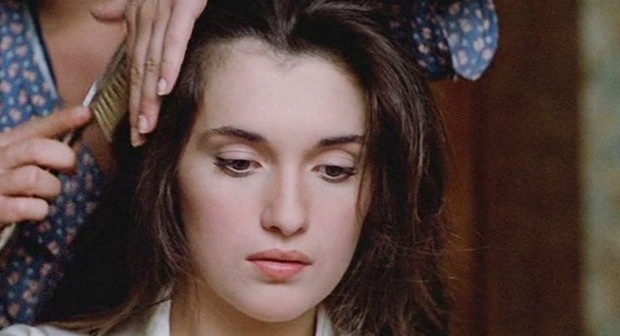
From the outset, Justin is presented as squeaky-clean — committed to the law, transparent, and ambitious but principled. His challenge arises when he comes into conflict with Mayor Cory Brand, a charismatic and powerful figure who uses both charm and underhanded tactics to maintain control and influence. As Justin digs deeper, he discovers that the mayor’s corruption runs much farther than mere bribery or nepotism — it involves manipulation of systems, political favors, and coercion.
Throughout the narrative, the film explores how power corrupts not only those who hold it, but also those who oppose it. A major strength of The Corruption is its willingness to show the cost Justin must pay — not just professionally, but personally. His investigations strain relationships, force difficult compromises, and question how far one can go before losing what one stands for. The stakes are raised as Justin realizes that winning might mean sacrificing more than he ever anticipated.
The pacing of the film is measured; early scenes build up Justin’s moral high ground and the sense of the system’s rot in subtle ways. As the story progresses, tension escalates steadily: political maneuverings, betrayals, and the threat of retaliation intensify. The cinematography and tone echo this trajectory, starting with clean, bright visuals for the lawful side, and gradually shifting to shadows, moral ambiguity, and gritty reality as secrets unravel. While The Corruption does follow some familiar tropes of political dramas — the idealist vs. the corrupt authority, the public vs. the private cost of honesty — it does so with enough nuance to keep it compelling.
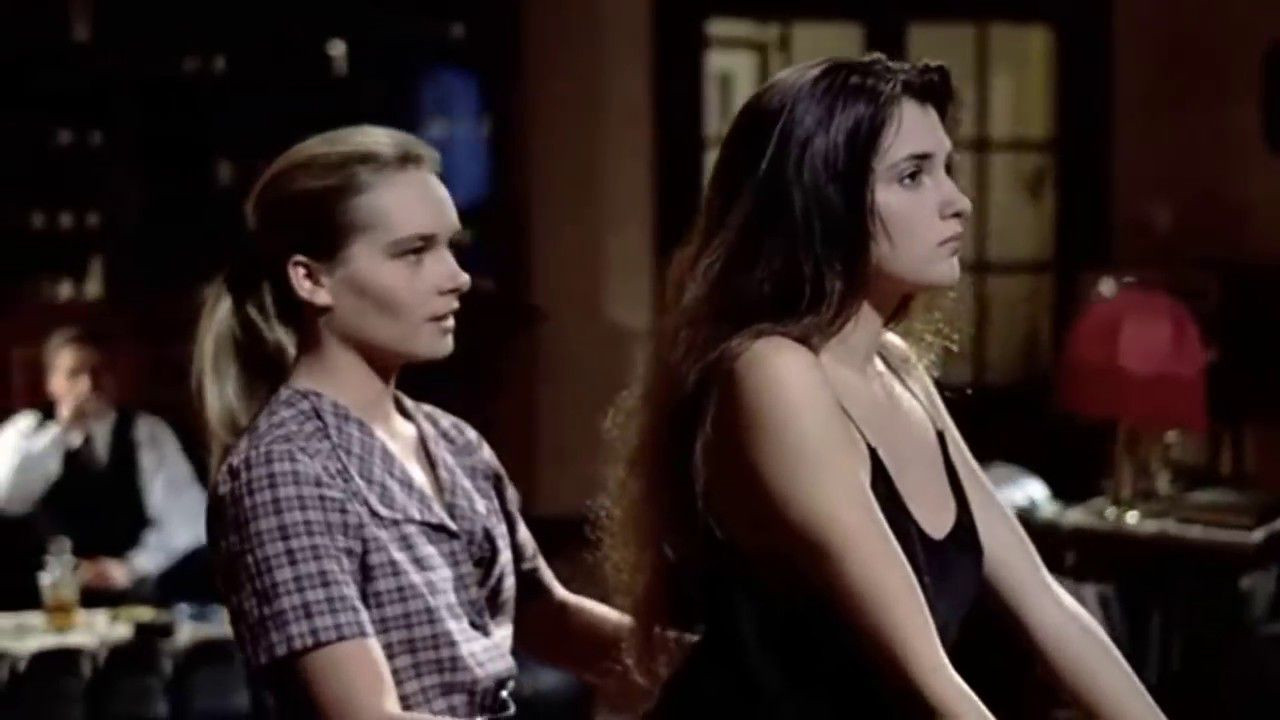
One of the film’s most thought-provoking messages is about cost. The film suggests that in the fight against corruption, one must always ask: What am I willing to lose? The Corruption doesn’t present an easy answer. It exposes the gray zones: when fighting corruption, do you risk becoming what you fight against? How clean can one stay when the opponents play dirty? For viewers, the film is a call to watch the systems around them closely, and a reminder that integrity often demands high price.
In conclusion, The Corruption (2023) is a powerful political drama that balances suspense, ethical questioning, and character drama. It may not break wholly new ground in the genre, but its tension, moral stakes, and emotional depth make it well worth watching for anyone interested in stories about power, justice, and what it takes to stand up for what’s right.
