Angela (1995) is a film that delves into the complexities of family dynamics, faith, and the power of human connection. Directed by Rebecca Miller, this drama follows the story of a young girl named Angela who is navigating the challenges of growing up in a dysfunctional household.

The movie opens with Angela, played brilliantly by Miranda Rhyne, grappling with the turbulent relationship between her parents. Her mother, Mae, portrayed by Anna Thomson, is a free-spirited woman struggling to find her place in the world, while her father, Andrew, played by John Ventimiglia, is a devout Catholic dealing with his own inner demons. As Angela tries to make sense of her upbringing, she finds solace in her bond with her grandfather, played by Ron Rifkin, who offers her guidance and unconditional love.
One of the central themes of Angela is the exploration of the role that faith plays in shaping our identities and relationships. As Angela navigates the complexities of her family life, she grapples with questions of morality, forgiveness, and the search for meaning in a world filled with uncertainty. The film beautifully captures the juxtaposition of innocence and disillusionment as Angela comes of age in a tumultuous environment.
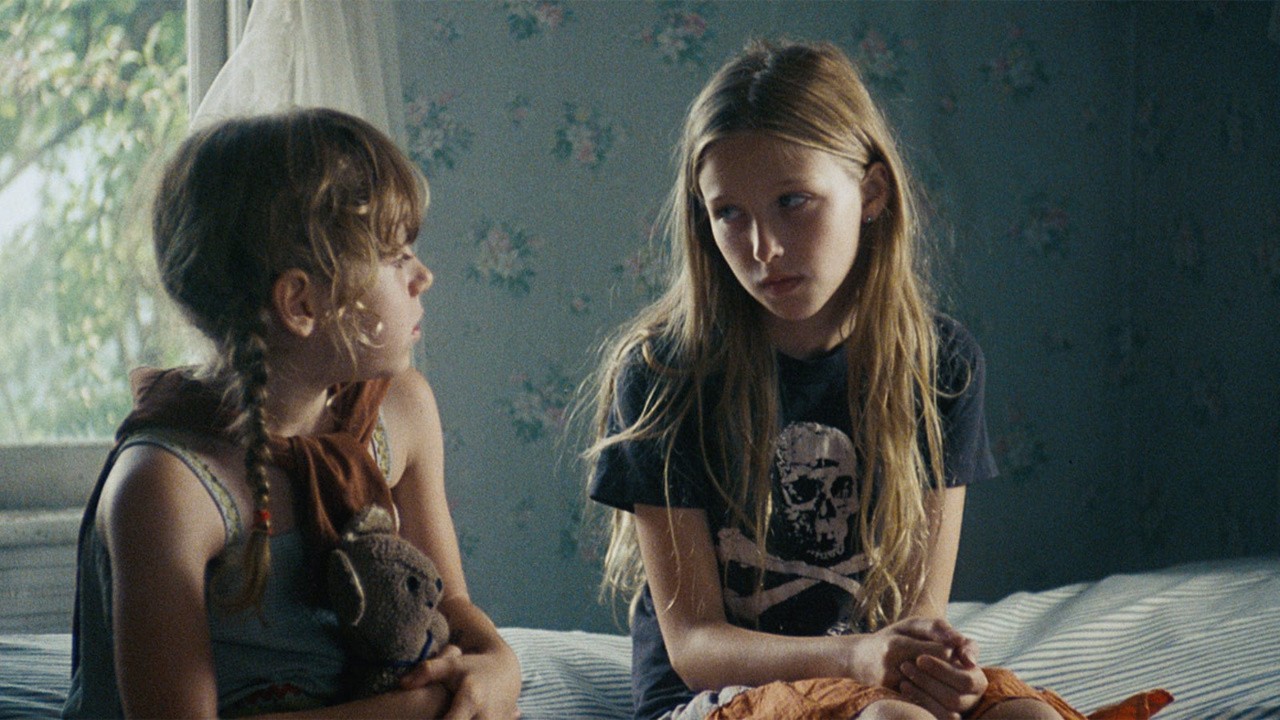
Through its poignant storytelling and powerful performances, Angela invites viewers to reflect on the importance of empathy, resilience, and the enduring strength of the human spirit. The film serves as a reminder that despite the challenges we face, it is our connections with others that ultimately define who we are and shape our understanding of the world around us.
Overall, Angela (1995) is a thought-provoking and emotionally resonant film that lingers in the hearts of its audience long after the credits roll. With its nuanced exploration of family relationships, faith, and self-discovery, this movie stands as a timeless reminder of the enduring power of love and compassion in the face of adversity.
