The film portrays Amanda Seyfried in the lead role, embodying the character of Linda Lovelace with depth and sensitivity. Through Seyfried’s nuanced performance, viewers are taken on a journey through Lovelace’s tumultuous experiences in the adult film industry, highlighting the exploitation and abuse she faced at the hands of those around her.

“Lovelace” captures the essence of Lovelace’s story, showcasing her initial foray into the world of adult entertainment and the subsequent struggles she encountered as she tried to break free from the constraints of her fame. The film does not shy away from depicting the harsh realities of Lovelace’s life, including the manipulation and coercion she endured from her husband, Chuck Traynor, portrayed by Peter Sarsgaard.
As the narrative unfolds, viewers are invited to witness Lovelace’s transformation from a naive young woman to a resilient individual who fights to reclaim her autonomy and tell her own story. The film offers a poignant exploration of themes such as empowerment, agency, and the importance of speaking out against injustice.
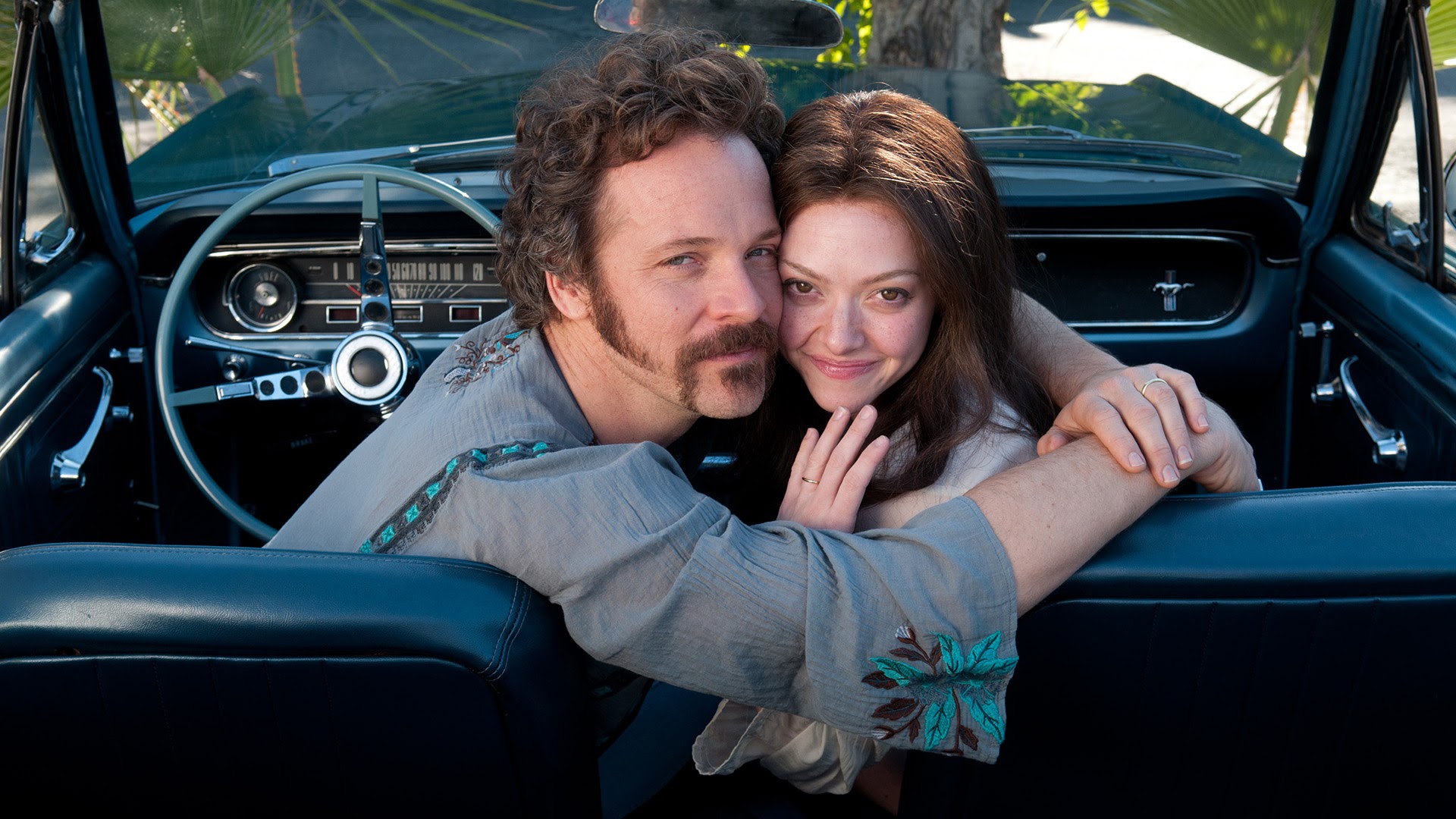
In addition to its compelling storytelling, “Lovelace” is praised for its evocative cinematography and period-accurate set design, effectively immersing viewers in the retro aesthetic of the 1970s. The soundtrack, featuring iconic hits from the era, further enhances the nostalgic atmosphere of the film, transporting audiences back in time to Lovelace’s heyday.
Overall, “Lovelace” stands as a poignant and thought-provoking portrayal of a woman who defied societal expectations and fought to reclaim her voice in a male-dominated industry. Through its captivating storytelling and stellar performances, the film offers a fresh perspective on the life and legacy of Linda Lovelace, inviting audiences to reflect on the enduring impact of her story.
